发布时间:2025-09-16
To thoroughly implement the “Outline of the National Education Development Plan (2024–2035)” and enhance the quality of education for children with autism in China, while promoting international exchange and cooperation in autism education, the “China-Canada Exchange Conference on Education for Children with Autism” was grandly convened at the Beijing National Convention Center on September 12, 2025. The event was jointly hosted by the School of Special Education at NanjingNormal University of Special Education, the Embassy of Canada in China, and other organizations. SLARK (Bairun Education), an internationally recognized institution with deep expertise in autism education, was invited to attend alongside Saskatchewan Polytechnic. Together with over 200 experts, scholars, industry representatives, and frontline educators from China and Canada, they gathered to advance international cooperation in autism education to new heights.
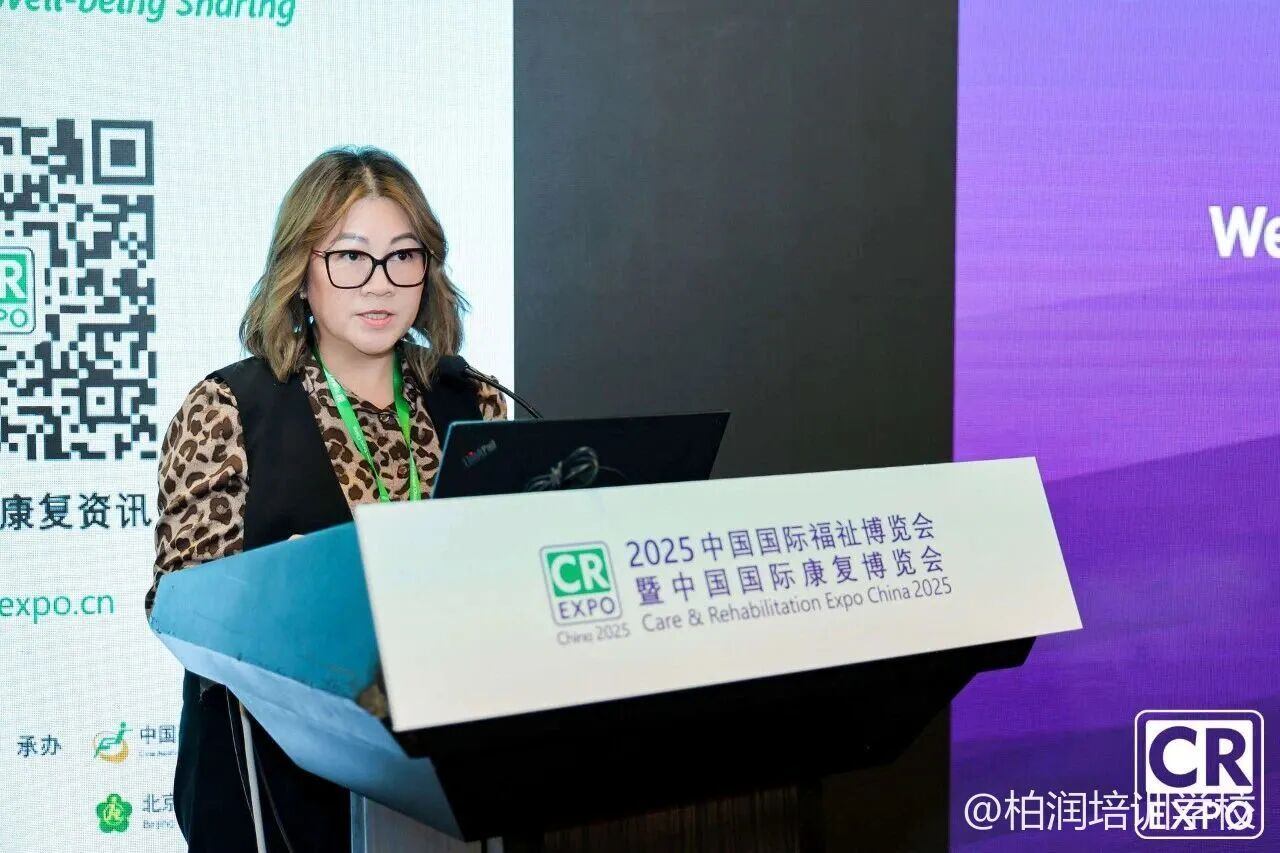
During the conference, Ms. Su Polley, Transnational Education Manager at Saskatchewan Polytechnic, and Mr. Zheng Hanzhou, Party Branch Secretary of SLARK (Bairun Education), delivered keynote speeches titled “Cross-Cultural Communication and Inclusive Education Development” and “Science Knows No Borders, Care Transcends Frontiers: SLARK's (Bairun Education) Practical Exploration of Localized Autism Support Systems,” respectively. Their presentations comprehensively showcased the organization's three major achievements over the past three years: Guided by the principle “Science knows no borders; care is shared,” SLARK (Bairun Education) is dedicated to introducing Canada's advanced assessment tools, intervention techniques, and community support models to China. In Sino-foreign cooperative education, it successfully facilitated a partnership between Ganzhou Teachers College and Saskatchewan Polytechnic for a joint early childhood education program (including autism education), which was recognized as an outstanding vocational education case study under the Belt and Road Initiative. It has established a three-dimensional training system, spearheaded the development of provincial standards, and certified numerous rehabilitation technicians through its training programs. For older individuals with autism, SLARK has collaborated with multiple partners to create a vocational skills curriculum system, currently advancing practical applications and data collection. Looking ahead, SLARK (Bairun Education) will continue to deepen international cooperation, optimize its educational service system, and work with all sectors of society to foster a supportive environment for individuals with autism, facilitating their integration into society.
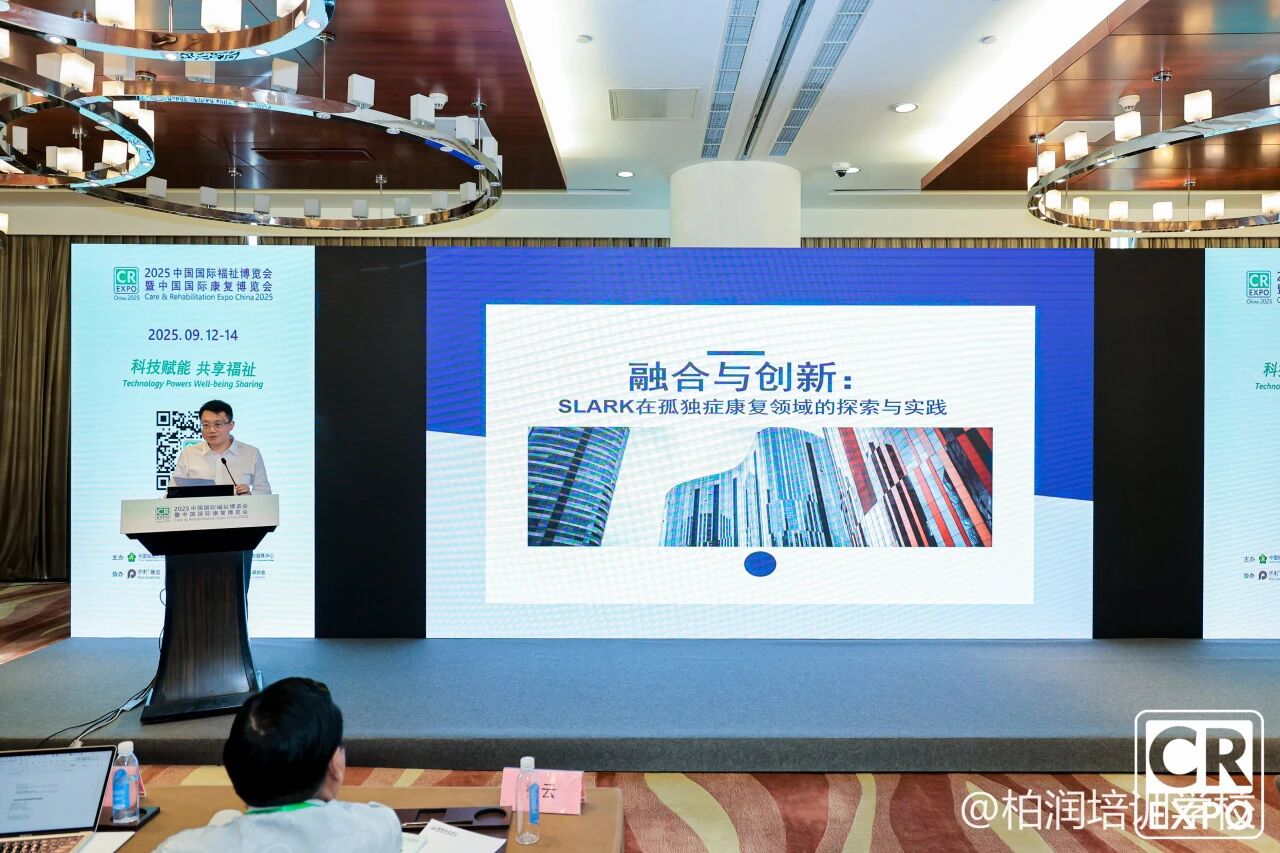
This conference, as a high-level exchange event in autism education between China and Canada, represents a pivotal opportunity to advance international cooperation in educating children with autism and foster innovative educational development. All parties should unite their efforts to achieve the goals of building an education powerhouse, realizing the UN 2030 Sustainable Development Goals, and promoting the construction of a community with a shared future for mankind. Together, we must establish an inclusive, supportive, and sustainable educational support system for children with autism.
SLARK (Bairun Education)'s participation in this exchange not only demonstrates the remarkable achievements of its localized international collaboration but also underscores its commitment to advancing global special education. Moving forward, SLARK (Bairun Education) looks forward to partnering with educational and rehabilitation institutions across more countries and regions to contribute to the global cause of autism education and jointly paint a brighter future for autism education.