发布时间:2026-05-29
4 Training Sessions, 4 Keys
Bairun Parent Training
Qingyunpu District, Nanchang
Bairun Children’s Behavioral Rehabilitation Training Center
On the journey of rehabilitation and growth for children with autism, it is never the children themselves who face the greatest struggles and feel the most helpless—it is the parents walking side by side with them.
Many parents give it their all and pour their heart and soul into helping their children, yet they often find themselves mired in deep self-doubt and a sense of helplessness:
— Even though they desperately want to help their children, they don’t know where to start or which direction to take;
— Even though they’ve studied countless rehabilitation theories and methods, they fail to work in real-life situations;
— Even though they love their children more than anything, they find themselves breaking down and feeling lost and helpless in the face of repeated setbacks.
In fact, Star Children’s recovery has never been about sheer perseverance, but about finding the right approach.
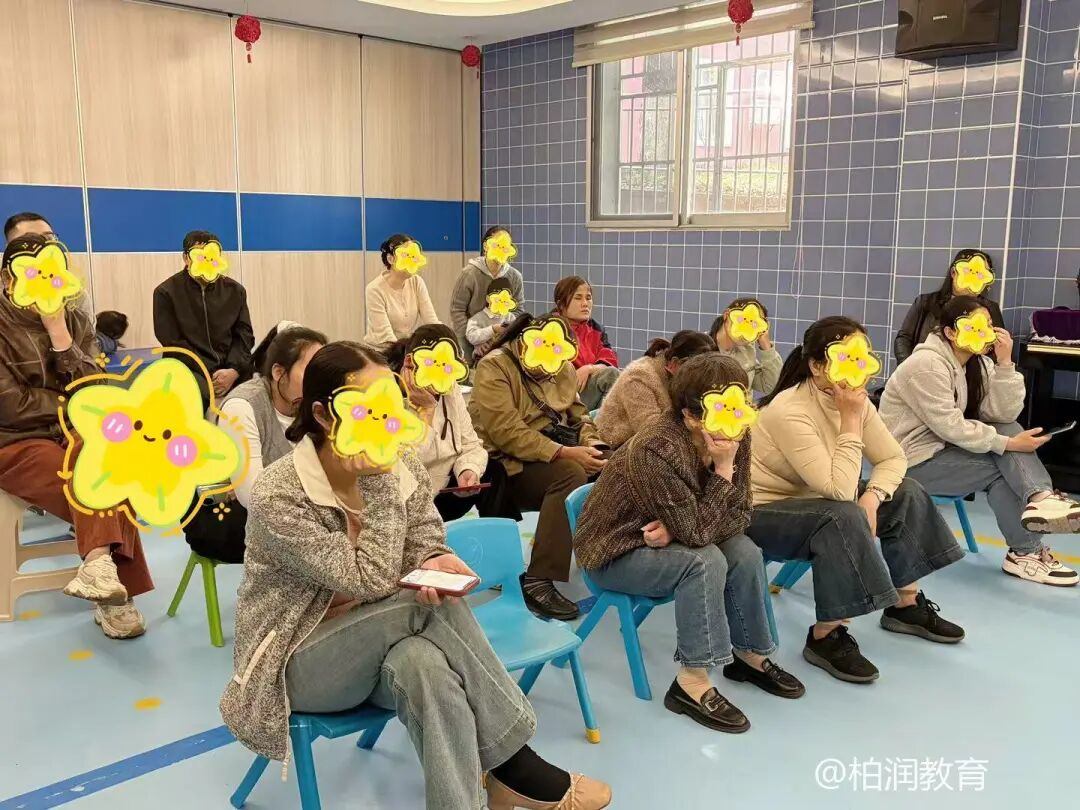
The Bairun team, which deeply understands that family intervention is the cornerstone of autism recovery, has always refused to engage in empty theoretical discussions or to exploit parents’ anxieties. We are committed to holding a monthly free training session for parents, focusing exclusively on practical, everyday rehabilitation methods that parents can understand, apply, and implement.
In 2026, we successfully conducted four sessions of specialized parent training. Each session focused on one of four core themes—serving as four “golden keys” to rehabilitation—covering inclusive enrollment, behavioral guidance, fostering independence, and generalizing skills to daily life. These sessions comprehensively addressed parents’ rehabilitation challenges, ensuring that family-based interventions are no longer carried out blindly.
January
Selecting Shadow Teachers Based on Scientific Criteria
Ensuring a Smooth Transition to Inclusive Education
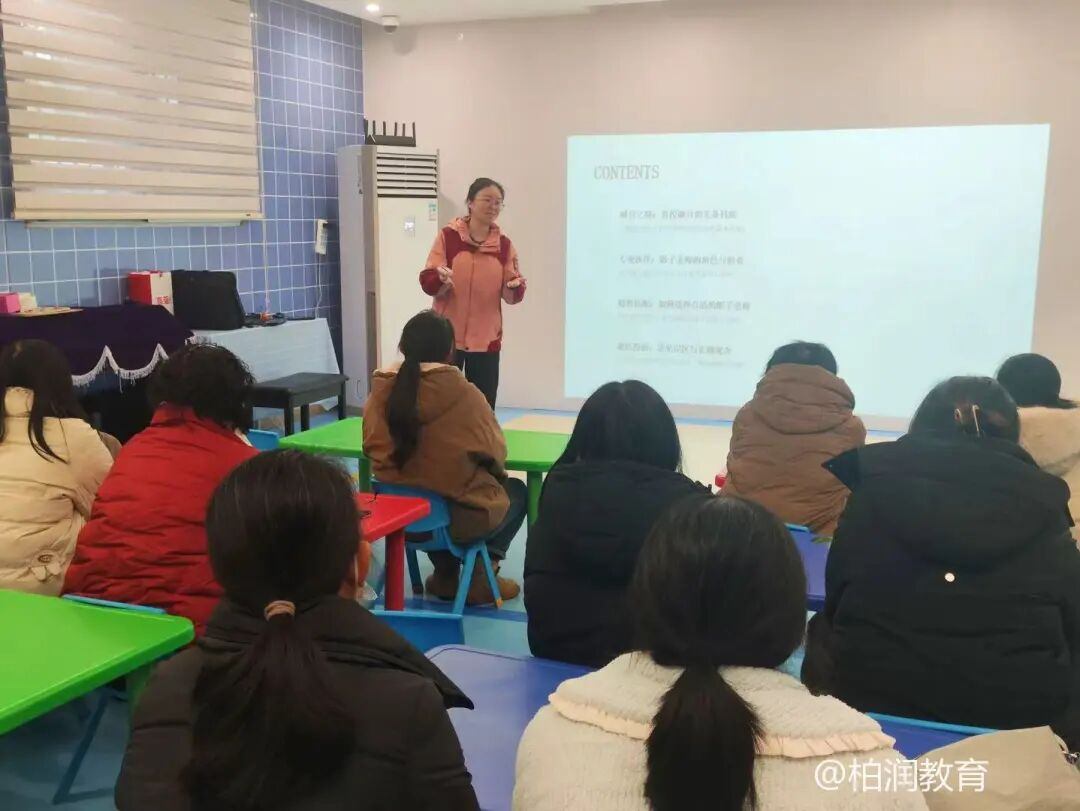
Every back-to-school season, many parents find themselves torn: When it comes to their child starting preschool or elementary school, do they really need a shadow teacher? How can they choose one without making a mistake?
Many parents have a misconception that shadow teachers are merely there to “keep the child company,” and that blindly assigning one can actually hinder the child’s development.
In the January training session, Teachers at Bairun Education drew on a vast number of real-life rehabilitation cases to address the core challenges of inclusive education, helping parents gain a clear understanding of the following:
• Accurate Assessment: Identifying which situations and which children truly require the involvement of a shadow teacher
• Key Pitfalls to Avoid: Rejecting blind placement; excessive supervision can hinder the development of a child’s independence
• Core Criteria: A high-quality shadow teacher understands autism, understands education, and, most importantly, knows when to “step back”
• Communication Skills: Teaching parents how to coordinate with the school to ensure the shadow teacher integrates into the classroom without disrupting the group dynamic
As one parent reflected after the class: The ultimate goal of a truly professional shadow teacher is to make themselves increasingly “superfluous” and help the child become more and more independent.
March
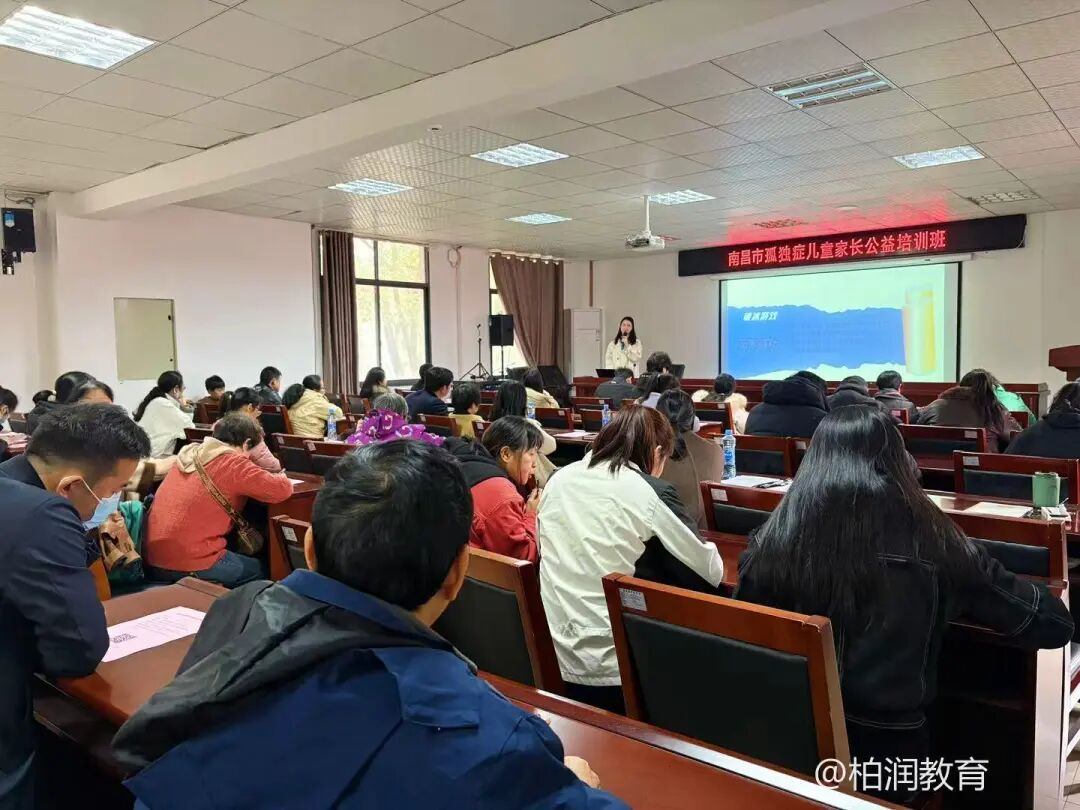
Effective Positive Guidance
Resolving Parent-Child Conflict
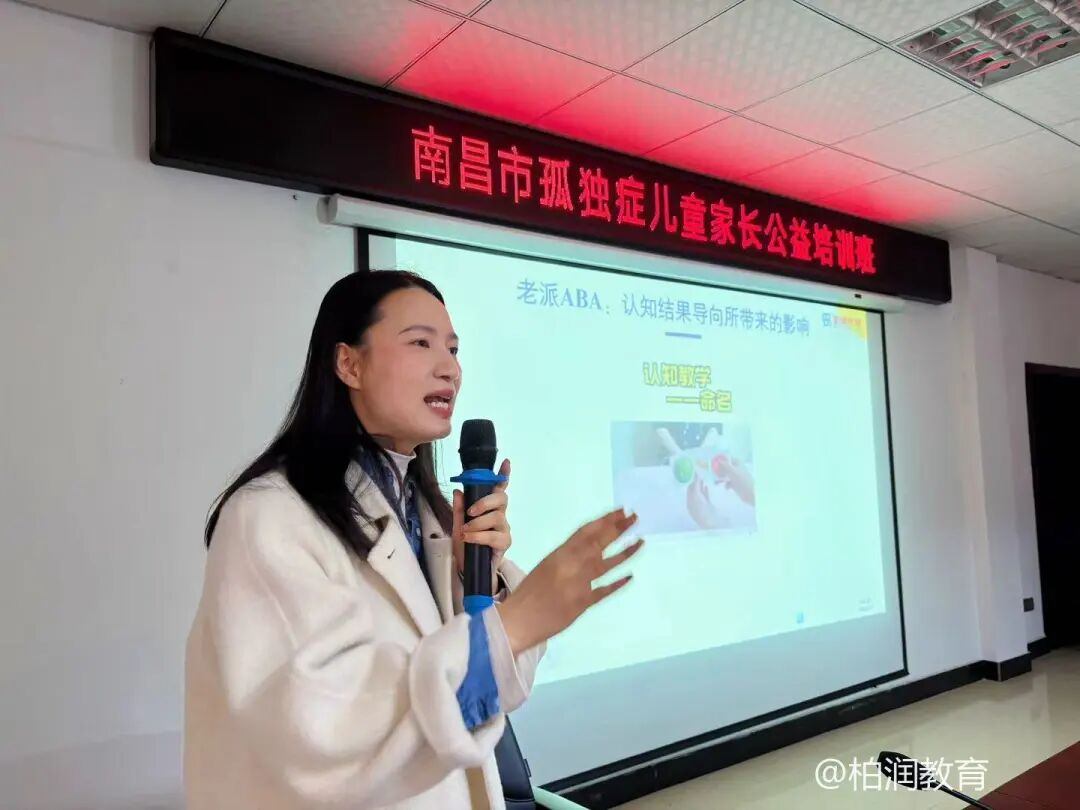
Children who are disobedient, uncooperative, and stubborn” is the number one challenge facing the vast majority of parents of children with autism.
However, during the training, Bairun put forward a groundbreaking perspective: it’s not that children are unwilling to listen, but rather that our way of communicating is something they cannot understand or process.
We reject rigid “discipline techniques” and do not teach parents to control their children. Instead, we focus on teaching scientifically grounded, positive guidance strategies to completely break the deadlock of parent-child conflict:
• Optimizing Instructions: Break down ineffective communication patterns to create clear, actionable instructions that children can understand and follow
• Reshaping Perceptions: Correct the misconception that “rewards = reinforcement” and precisely control the timing and methods of reinforcement
• Effortless Empathy: Three practical techniques to transform parent-child interactions from a state of confrontation and deadlock into mutual cooperation
Often, a child’s lack of cooperation is simply because parents say too much, ramble, or speak too vaguely; finding the right approach can easily break the deadlock.
April
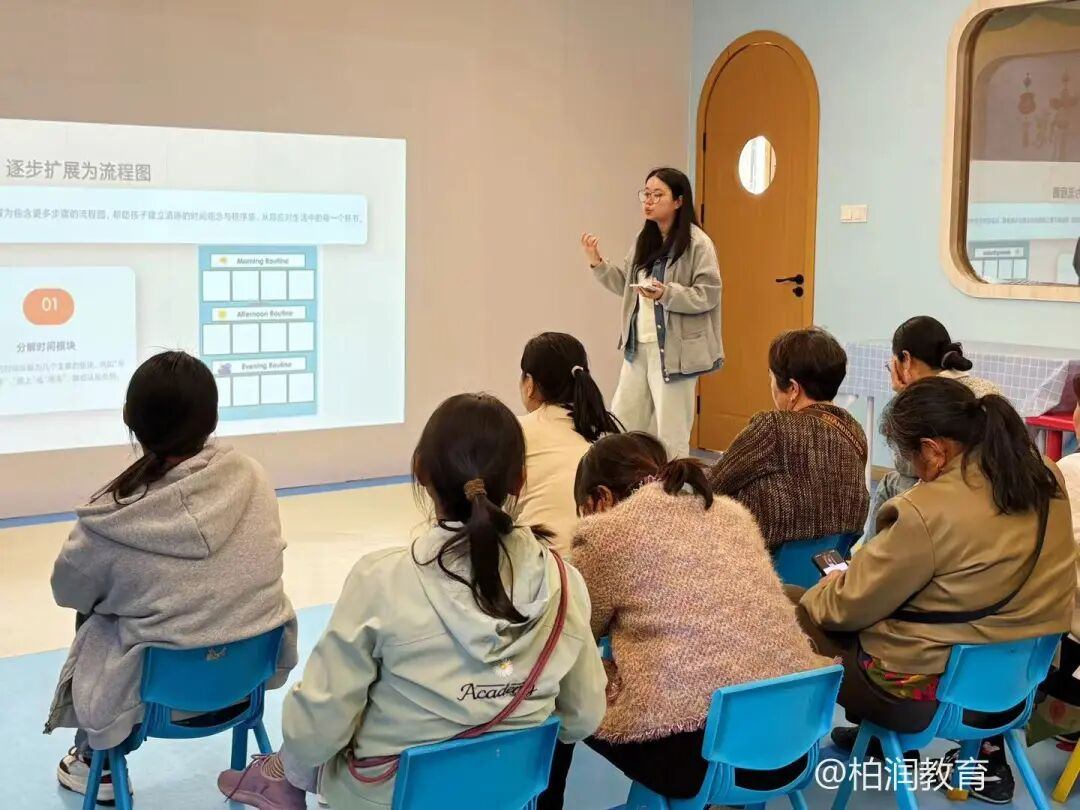
Making the Most of Visual Schedules
Fostering Your Child’s Independence
Children with autism are extremely sensitive to unexpected changes; sudden changes in plans or unfamiliar routines can easily cause anxiety and emotional outbursts.
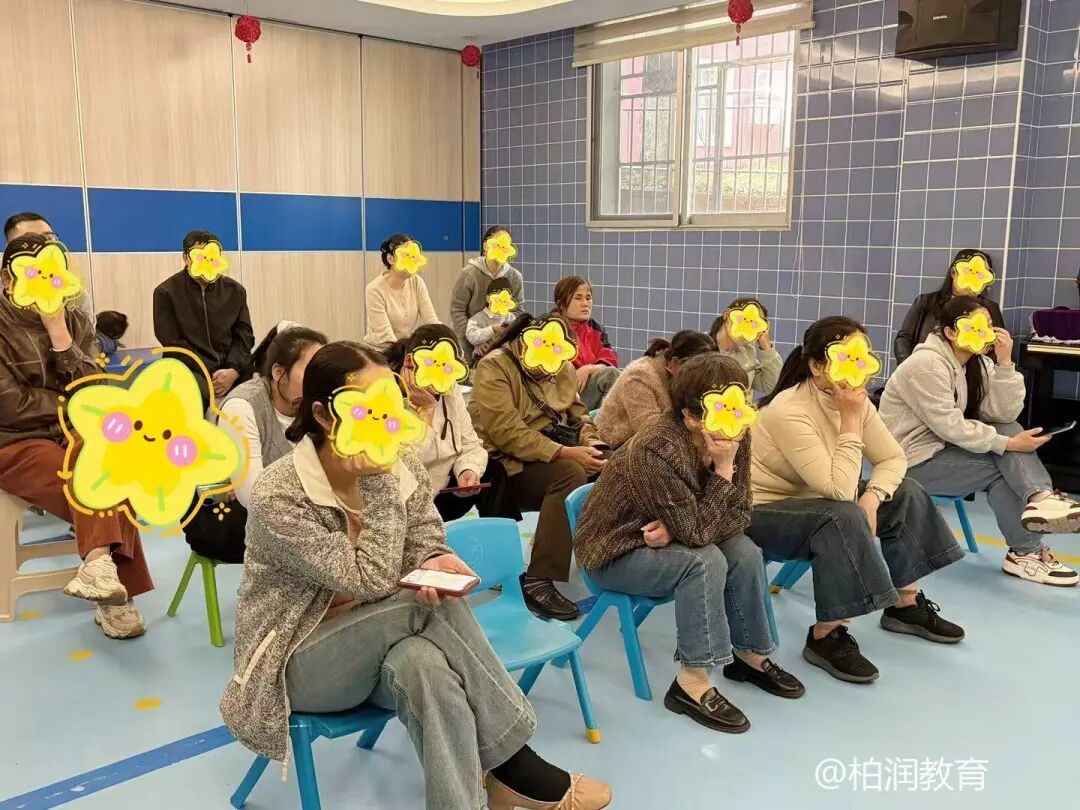
During our April training session, we introduced parents to a simple, effective, and accessible rehabilitation tool—the visual schedule.
It is not just a cold, rigid timetable, but a vital bridge that soothes children’s anxiety and fosters independence:
• Adaptability: Using pictures instead of words, it suits children with autism of all ability levels—easy to understand and follow
• Shift in Approach: Say goodbye to constant parental nagging; encourage children to check the schedule on their own and take initiative
• Flexibility: Custom “emergency cards” help children gradually accept schedule changes and alleviate anxiety
A simple schedule can gradually ease a child’s fear of the unknown and help them develop good habits of self-discipline and independence, one step at a time.
May
Making the Most of Daily Chores
Integrating Rehabilitation into Everyday Life
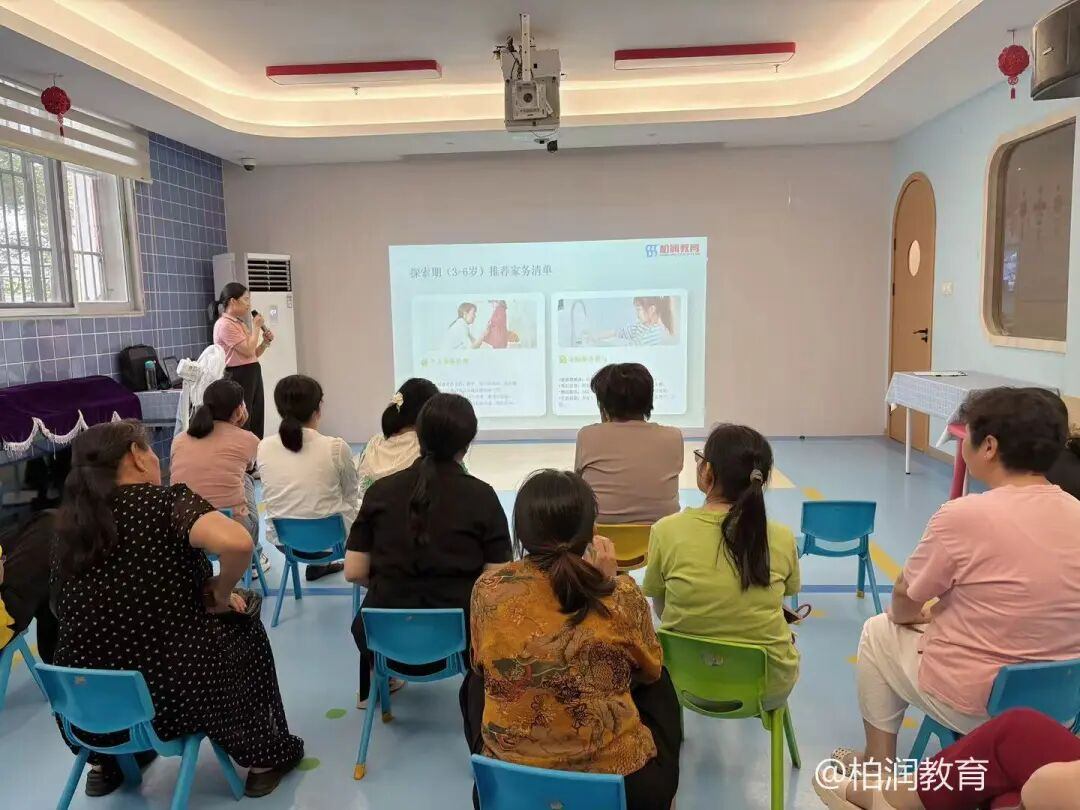
The best rehabilitation is never limited to specialized training at a facility; rather, it is woven into every meal and the small, everyday tasks of life.
May’s practical topic challenged the preconceived notions of countless parents: household chores are the best free rehabilitation training for children with special needs.
Many parents, out of concern for their children, habitually take over all the little tasks, unaware that doing everything for them actually hinders their child’s skill development. Sweeping the floor, wiping tables, folding clothes, setting the table, sorting vegetables, wringing out towels… every household chore is a unique training ground:
• Fine Motor Skills: Actions like sorting vegetables and wringing out towels naturally develop fine motor skills in the hands, offering a more practical, real-life experience than training with educational tools
• Cognitive Development: Sorting and putting away clothes, and organizing items, help children develop a sense of sequence, planning skills, and the ability to follow through
• Character Building: The sense of accomplishment and responsibility that comes from independently completing household chores is a powerful force for growth that no material reward can replace
Letting go just enough to allow your child to participate in daily life is the best way to support their recovery and growth.
Staying True to Our Mission
Continuously Empowering Family-Based Rehabilitation
From January to May, four training sessions covering four core dimensions, progressing step-by-step to provide comprehensive coverage: guidance on inclusive school enrollment, parent-child behavioral guidance, development of self-reliance skills, and generalization to real-life situations
Free from obscure jargon and high-pressure sales tactics, Bairun remains true to its founding mission: to transform specialized knowledge of autism rehabilitation into practical methods that every family can implement and every parent can master.
Rehabilitation is never a child’s solitary journey; rather, it is a collaborative effort between families and our organization.
Moving forward, the Bairun Parent Education Program will continue to evolve and advance steadily. We will offer topics that better align with families’ needs and rehabilitation plans that are practical and actionable, grounded in professionalism and infused with compassion.
May every parent be equipped with the tools for rehabilitation, free from anxiety and confusion; may every child with autism grow steadily and thrive, guided by scientific intervention and overflowing love.